Learn about Keto Weight Loss Capsules
Outline and Why This Topic Matters
Every January gym floors get crowded, and by March the treadmills are quiet again. That pattern tells a story: motivation is common, but clear, realistic strategy is rare. This article gives you a roadmap through three closely linked ideas—keto weight loss, fat-burner pills (including “keto capsules”), and the lure of rapid weight loss—so you can separate what works from what merely sounds exciting. You’ll find an upfront outline below, followed by deep dives that translate research into practical choices you can use right away.
Outline of what you’ll learn:
– How keto changes your fuel mix, why water weight drops early, and what habits keep results moving after week two.
– What “fat-burner” really means, common ingredients in weight-loss capsules, and how their effects compare with everyday habits like sleep, protein, fiber, and steps.
– What counts as “rapid” weight loss, trade-offs you should expect, and safeguards that protect muscle, mood, and long-term health.
– A step-by-step plan that blends food-first tactics with cautious supplement use (if any), plus simple metrics that keep you honest without obsessing over the scale.
Why it matters right now: many people want change fast, yet extremes can backfire. Large calorie cuts can deliver quick scale movement but raise the risk of muscle loss and rebound. Supplements can add a small edge for some, but they can also cause side effects or create false confidence. The good news is that steady, evidence-informed tactics—adequate protein, resistance training, smart carb control, and consistent sleep—tend to outperform hype over a season, not just a weekend. Read on for the how, the why, and the honest expectations that help you stay the course.
Keto Weight Loss Explained: Mechanisms, Meals, and Myths
The core idea of keto is simple: reduce carbohydrate intake enough that your body relies more on fat and ketones for fuel. That typically means keeping carbs roughly in the 20–50 g per day range for many adults, though tolerance varies. Protein is moderate (often 1.2–1.8 g per kg body weight), and the remainder of calories comes from fat. In the first week or two, many people see a swift drop on the scale—often 1–3 kg—largely due to glycogen depletion and related water loss. After this “whoosh,” fat loss becomes the main driver, and progress depends on the same principle that governs every diet: maintaining an energy deficit you can realistically live with.
Evidence snapshot: short- to medium-term studies often show keto producing equal or slightly greater weight loss versus higher-carb, lower-fat approaches at 3–6 months. At 12 months, differences tend to narrow, with adherence playing a major role. Two factors frequently help on keto: appetite reduction for some individuals and fewer ultra-processed, hyperpalatable foods. Both can make it easier to maintain a calorie deficit without constant hunger.
Pros to consider:
– May reduce appetite for some, easing portion control without calorie counting.
– Encourages whole, minimally processed foods like eggs, fish, leafy greens, olives, nuts, and seeds.
– Can improve blood sugar control in the short term for many, especially when paired with weight loss and activity.
Watch-outs and myths:
– “Unlimited fat” is misleading; calories still count. Energy balance remains the bottom line.
– Fiber can drop if vegetables and low-sugar fruit aren’t prioritized; aim for 25–35 g per day from non-starchy choices and seeds.
– Electrolytes matter. As insulin and glycogen fall, sodium and water shift; many people feel better with mindful sodium, potassium, and magnesium intake from foods and, if needed, guided supplementation.
– Not for everyone. People with certain medical conditions, those who are pregnant, or anyone on glucose- or blood-pressure–lowering medications should consult a clinician before significant diet changes.
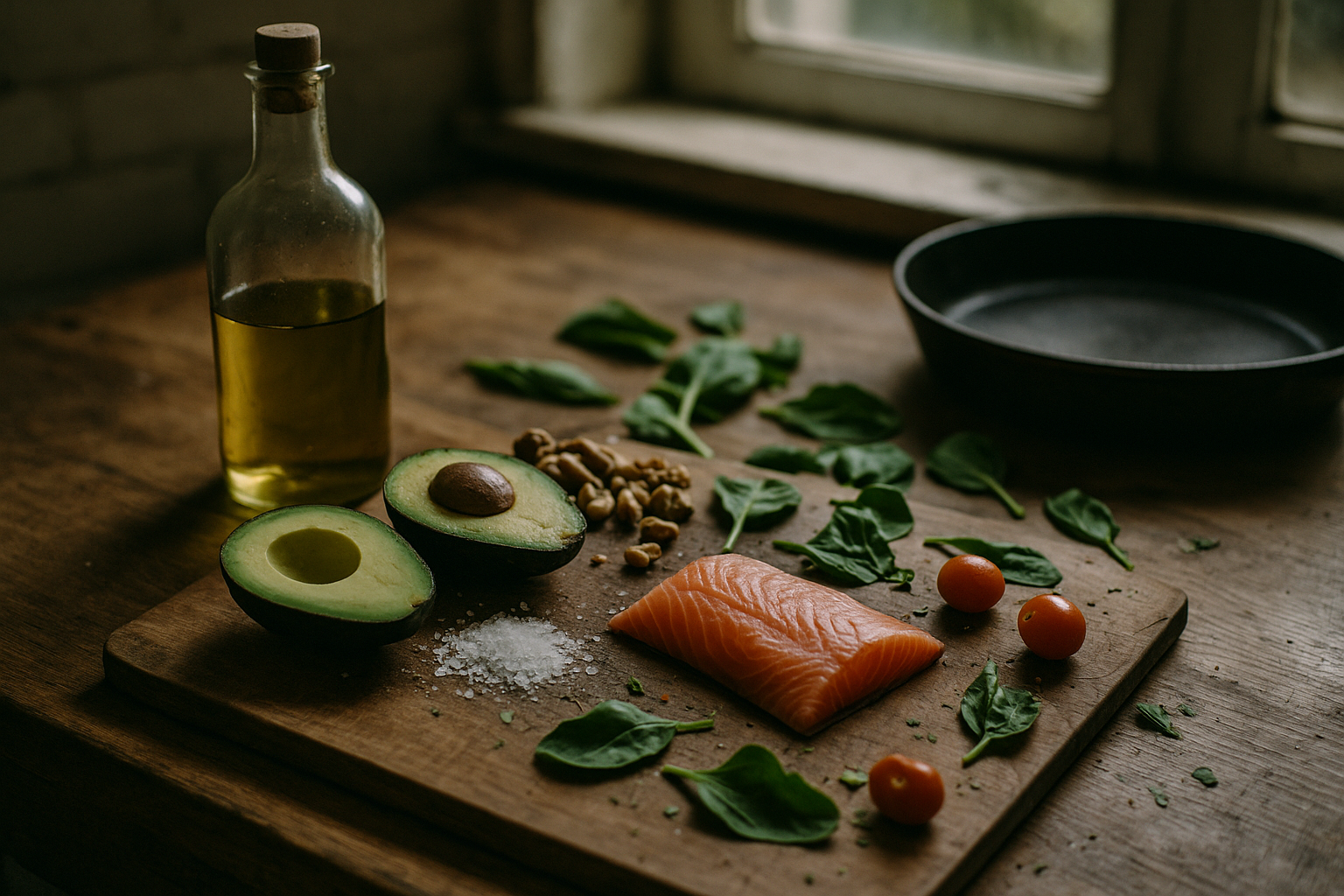
A simple day on keto might look like: an omelet with spinach and mushrooms cooked in olive oil, salmon with a big salad dressed in olive oil and lemon, zucchini noodles with pesto and grilled chicken, and a handful of walnuts. Keep protein sufficient to maintain muscle, pile on non-starchy vegetables for volume and micronutrients, and use fats to satisfy—not to turn meals into calorie bombs. Pair this with two or three weekly resistance sessions, and you have a durable foundation.
Fat-Burner Pills and Keto Capsules: What They Can and Can’t Do
“Fat-burner” is a marketing umbrella covering stimulants, plant extracts, fibers, and compounds that may nudge metabolism or appetite by small degrees. “Keto capsules” often contain exogenous ketones (such as ketone salts) or blends meant to support ketosis. The promise is tempting; the reality is more modest. In many countries, dietary supplements are not pre-approved for effectiveness, labels can be optimistic, and quality varies. Think of pills as potential 5–10% helpers at most—if the basics are already nailed.
Common ingredients and what research generally suggests:
– Caffeine: can acutely raise energy expenditure and reduce perceived effort during exercise; typical increases around a few percent translate to tens—not hundreds—of extra calories per day.
– Green tea catechins (often combined with caffeine): may slightly boost fat oxidation; effects tend to be small and variable between individuals.
– Capsaicin/capsinoids (chili pepper compounds): can modestly increase thermogenesis and may help with appetite control for some.
– Soluble fibers (e.g., glucomannan): can enhance fullness when taken with water before meals, supporting a lower calorie intake.
– L-carnitine, CLA, raspberry ketones: mixed or weak evidence for meaningful fat loss in free-living humans.
– Yohimbine, synephrine, and other stimulants: can raise heart rate and blood pressure; caution is warranted, especially for those with cardiovascular risk or anxiety.
About exogenous ketone capsules: they can raise blood ketone levels for a few hours, but that does not automatically translate to greater fat loss. In fact, they contain energy; using them without attention to total intake can slow progress. Some people report gastrointestinal discomfort, and certain ketone salts add significant sodium—relevant if you’re watching blood pressure or total mineral intake.
Practical guidance:
– Food first. Prioritize protein, fiber, resistance training, steps, and sleep; these reliably influence appetite, energy use, and body composition.
– If you experiment, start one product at a time at the lowest effective dose, and monitor sleep, mood, blood pressure, and digestion.
– Avoid stacking multiple stimulants, especially late in the day; poor sleep erases any small metabolic edge.
– Seek transparency: choose products with clear ingredient lists and amounts, and consider third-party testing where available.
– Talk with a healthcare professional if you take medications, have a health condition, or experience side effects.
Bottom line: capsules may provide a slight assist for certain people under specific conditions, but they cannot replace a calorie deficit, protein targets, training, or recovery. Treat them as optional add-ons, not anchors.
Rapid Weight Loss: Safe Speed, Smart Shortcuts, and Red Flags
Rapid change is satisfying, but speed has limits. A common, sustainable pace is about 0.5–1% of body weight per week for many adults. Early in keto or after tightening up eating patterns, the first week or two shows outsized drops due to water shifts; what matters next is preserving muscle while coaxing steady fat loss. Because roughly 7,700 kcal approximate one kilogram of body fat, running a 500–750 kcal daily deficit typically yields around 0.5–0.75 kg per week once water changes settle. Push harder and you may see faster losses, but risk climbs: fatigue, cravings, lean-mass loss, hormonal disruptions, and gallstone risk if aggressive deficits persist.
Ways to accelerate safely without courting burnout:
– Protein first: aim for about 1.6–2.2 g per kg of body weight per day to protect lean tissue and curb hunger.
– Resistance training: two to four sessions weekly focusing on large muscle groups; progressive overload helps keep metabolism resilient.
– Fiber and volume: target 25–35 g of fiber, leaning on non-starchy vegetables, berries in moderation, chia or flax seeds, and legumes if they fit your carb budget.
– Steps and “NEAT”: daily movement beyond the gym—8,000–12,000 steps—can quietly raise expenditure without taxing recovery.
– Sleep 7–9 hours: even mild sleep loss can raise hunger hormones and lower training output.
– Plan meals: decide tomorrow’s protein and produce today; front-load structure, not stress.
Smart shortcuts that respect physiology: time-restricted eating can simplify routines for some, but the calorie deficit still matters. Swapping refined snacks for higher-protein, higher-fiber choices often trims calories with less “willpower.” On keto, manage electrolytes to avoid the “low-carb flu,” which can kneecap workouts and daily movement. Hydrate, salt to taste if medically appropriate, and include potassium- and magnesium-rich foods (leafy greens, pumpkin seeds, mushrooms).
Red flags that signal “slow down”: dizziness, persistent insomnia, worsening mood, hair shedding, menstrual irregularities, or resting heart rate climbing while performance drops. If these show up, reduce the deficit, add rest days, and consider a modest uptick in carbs around training if you’re doing high-intensity work. The aim isn’t a perfect six-week sprint—it’s a sustainable runway where momentum, not misery, carries you forward.
Putting It Together: Practical Plan and Conclusion
Here’s a simple, adaptable framework that blends keto principles, realistic expectations about pills, and a sane pace for change. Start with food. Build each meal around protein and non-starchy vegetables, then add fats to satisfaction. Track progress with two or three metrics—not just scale weight but also waist circumference, training logs, or how clothes fit. Create a weekly rhythm for training and recovery, and decide in advance whether a capsule experiment fits and how you’ll judge if it’s worth keeping.
Week-by-week blueprint:
– Week 1–2: set carb boundaries (e.g., 20–50 g/day), raise protein, plan electrolytes, and walk daily; accept that the scale drop is mostly water at first.
– Week 3–4: introduce structured resistance training 2–3 times weekly; adjust fat intake to maintain a steady deficit without constant hunger.
– Week 5–6: consider a single-ingredient supplement trial if your sleep and training are consistent; measure effects on energy, appetite, and recovery.
– Ongoing: reassess every two weeks; if progress stalls, review calorie creep, portion sizes, and step count before adding more tools.
A quick decision guide:
– Choose keto if you enjoy savory, lower-carb meals and feel steady energy with fewer swings in appetite.
– Choose a moderate-carb approach if you do frequent high-intensity training or prefer fruit, legumes, and whole grains; you can still lean on protein, fiber, and calories to lose fat.
– Consider capsules only after food, movement, and sleep are consistent; stop if side effects appear or if they don’t provide clear, measurable benefits within a month.
Conclusion: meaningful weight loss happens when behavior, physiology, and expectations line up. Keto can be a powerful structure for many, but it isn’t magic; supplements may help a little, but they are optional and context-dependent; rapid loss is possible, yet safest when guided by protein, training, sleep, and patience. Treat this process like learning a skill. Each week you practice the fundamentals, you get a bit better—and that steady competence is what ultimately shows up in the mirror, on the barbell, and in your day-to-day confidence.


